
Our Blog
Sticking the Landing
October 26, 2026
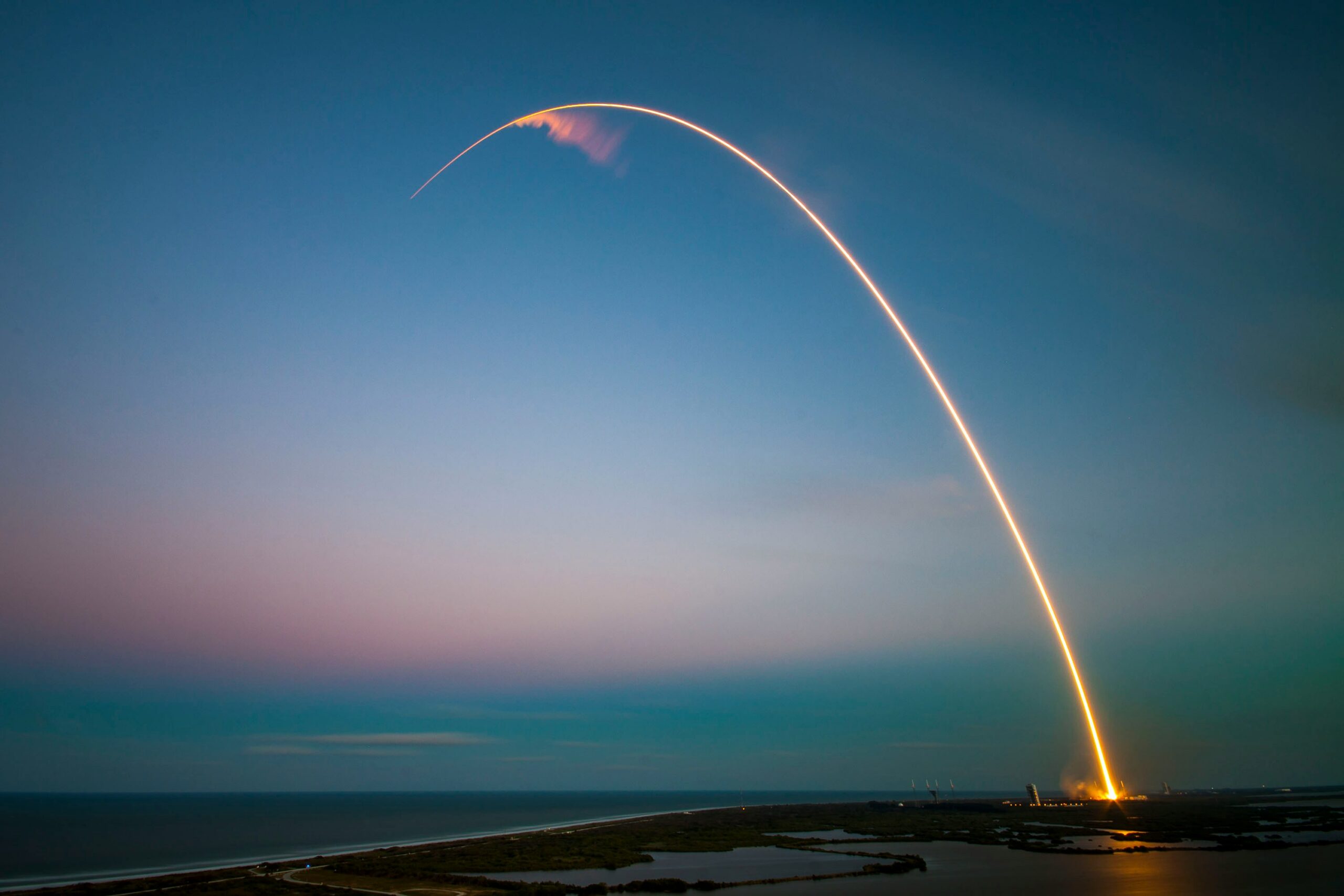
Sticking the Landing
Ask most people if they’ve ever run out of ideas, and they’ll say yes without hesitating. We’ve all had that dull, burned out feeling. The pressure is on; people want fresh ideas and the results that will surely follow. And you’ve got a big fat zero.
While you may feel as if the well has run dry, it hasn’t. In fact, creativity and invention is the living impulse that drives all life. Nature creates and evolves. Over and over again.
What’s actually happened when we think we have lost our own spark is narrower and more fixable than that. The mind hasn’t emptied out, it has shut down. Somewhere along the way, a chokehold formed around the flow of ideas that never actually stopped moving underneath it. Release the grip, and the ideas are still there, they were always there.
And, of course, now we’ve got AI simply waiting for your prompt to give you 25 new ideas about x. And AI is pretty darn good at it. You can engage in endless prompting, remixing, offering a hundred starting points a tired mind couldn’t generate on its own in the moment. Definitely useful. Real. But it’s also where most conversations about creativity stop, as if the release itself were the finish line. c
It’s not. Ideation is the starting gate.
Understanding and dismantling your unconscious survival strategy (aka your Winning Strategy (TM)) is the key to being open to new ideas. If you can learn to work with the tension between your assumed limitation and consider what you might have thought impossible, you will unlock your ability to transform.
Case in point:
The idea of a reusable rocket isn’t new. Engineers had studied it since the earliest days of spaceflight. The physics were understood. What kept it from happening wasn’t a shortage of ideas about how a rocket might land itself. It was an assumption baked so deep into the aerospace industry that it stopped looking like an assumption at all: boosters are disposable. You build one, you burn it once, you let it fall into the ocean. That’s just what a rocket is and does.
SpaceX didn’t out-imagine that assumption. They broke it, and then they had to prove it, repeatedly, in front of everyone. Starting in September 2013, they ran a series of controlled-descent tests, most of them ending in failure, including two separate attempts earlier in 2015 that ended with the booster toppling or crashing into a drone ship at sea. Then, on December 21, 2015, the eighth test in that series came down upright on solid ground at Cape Canaveral, the first time an orbital rocket had ever returned and landed intact. Even that wasn’t the finish line. The booster had to fly again for the idea to mean anything, and that took until March 2017, when a previously landed stage carried a satellite to orbit and came home a second time. Elon Musk, after that milestone, put it simply: it had taken fifteen years to get to that point. Fifteen years. Not fifteen minutes of brainstorming. The idea was never the scarce resource. What was scarce was a proven process for carrying a broken assumption through failure after failure until it became a routine fact of how rockets work, which by 2017, it had.
That’s the piece missing from most conversations about creativity and innovation. Releasing the chokehold gets you an idea. It doesn’t get you a rocket that lands. The work exists between the two points. You need a structure for taking a committed idea through repeated contact with reality without letting it die at the first failed attempt. Most people, and most tools, stop at the release. Renascence exists for what comes after it: a long-proven process for releasing the hold that your subconscious Winning Strategy has on you. We help you find freedom and then offer you the path for carrying a commitment all the way into the world, not just imagining what might be possible if it existed.
We will take you from “I have the craziest idea” to repeatable execution.
That’s a journey worth taking.
LinkedIn post:
Ask most people if they’ve ever run out of ideas, and they’ll say yes without hesitating. We’ve all had that dull, burned out feeling. The pressure is on; people want fresh ideas and the results that will surely follow. And you’ve got a big fat zero.
Here’s the thing — creativity is the living impulse that drives all of life. Nature creates and evolves, over and over again, without ever running dry.
What’s actually happened to you when you stall is narrower and more fixable. The mind hasn’t emptied, it’s shut down. A chokehold formed around ideas that just need to be surfaced.
And now AI sits there, ready to hand you 25 new ideas about anything, on command. It’s genuinely good at that. But endless prompting is where most creativity advice stops, as if release were the finish line.
It’s not. Ideation is the starting gate.
Reusable rockets weren’t a new idea. Engineers understood the physics for decades. What blocked it was a buried assumption: boosters are disposable, you burn one and let it fall into the ocean.
SpaceX didn’t out-imagine that belief. They broke it, then proved it in public, failed drone-ship landings, a toppled booster, attempt after attempt. The eighth test in that series finally landed upright in December 2015. The idea didn’t mean anything until a landed booster flew again, which took until March 2017. Fifteen years, in Elon Musk’s own words, to get to that point.
Releasing the grip gets you an idea. It doesn’t get you a rocket that lands.
We take you from “I have the craziest idea” to repeatable execution. That’s a journey worth taking.
#Renascence #Innovation #Reinvention
The Renascence Program
Will empower you with the knowledge and tools to CREATE the CONTEXT for your life and your business
Context is the freedom to be context in space. It has no form, no place in time; It allows form and time. In the absence of a consciously·created context, Our lives are controlled by content- The forces and circumstances of the condition in which we live. Once you create a context, that context then generates a process in which the content -The forces & circumstances - reorder and align themselves with the context.
For example, if you choose to shift the context of your life from "I don't matter" to "I make a difference" The circumstances in your life, while they may not have changed, take on an entirely new meaning. The new meaning, then begins to reflect that you make a difference.
What is the context of your life today? What do you desire the context of your life to be?
"Talking about transformation is no more than a representation, an image of the real thing. It's like eating the menu instead of the steak – neither nurturing nor profound. It is in being transformed – in being authentically true to oneself – that one lives passionately free, unencumbered, fearless, committed."